Meet Coen: Growing gardens and community at Sundale
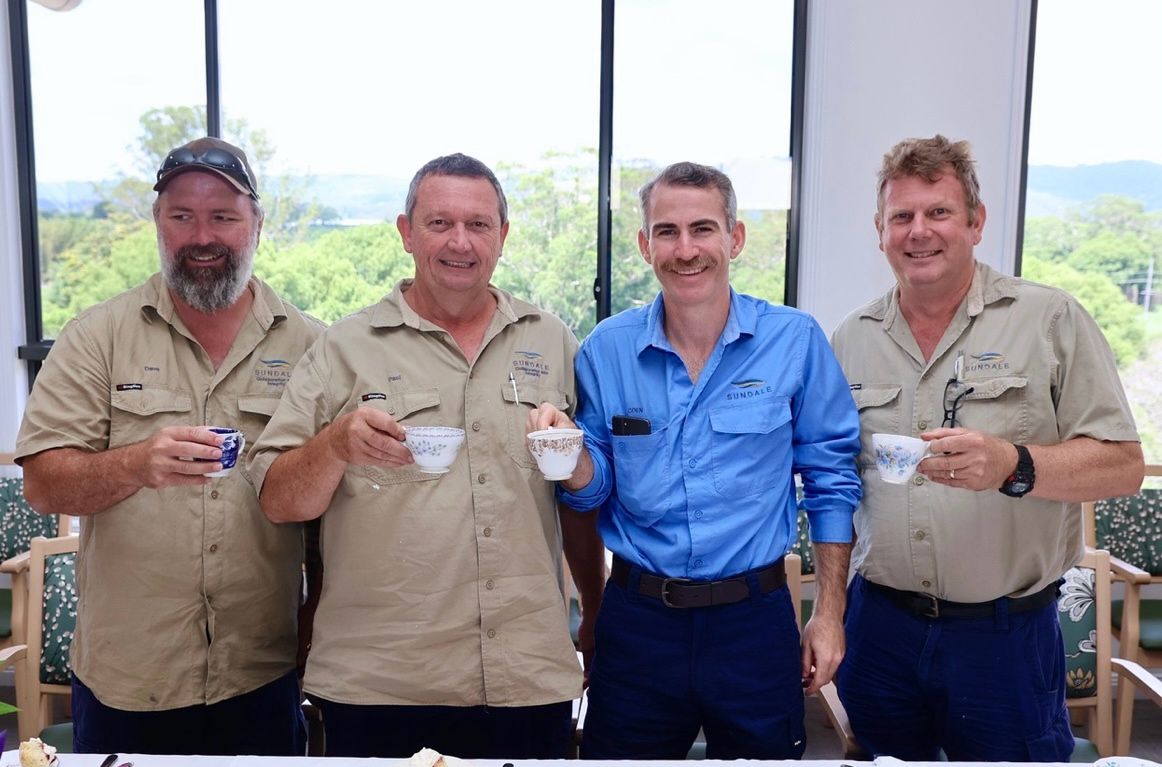
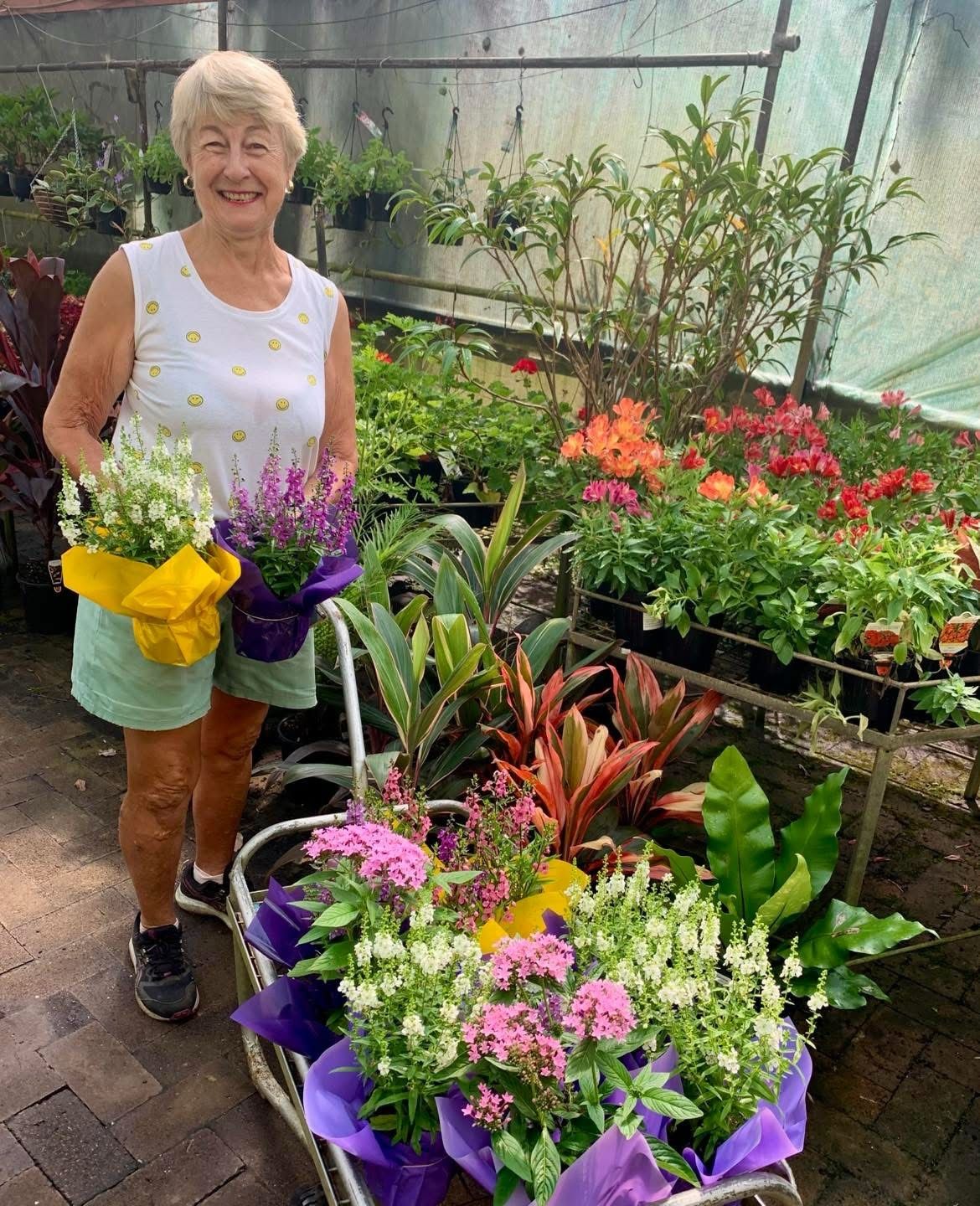
For Sundale's Maintenance and Grounds Manager Coen, Sunshine Coast gardening...


Retirement is meant to be one of life’s most rewarding chapters, yet the transition can stir up unexpected feelings. Many older Australians find that leaving the workforce, downsizing the family home, or losing close social ties can quietly chip away at emotional wellbeing. After more than 60 years supporting Queensland seniors, Sundale has seen first-hand how the right retirement communities and in-home care support can make a real difference, offering far more than a comfortable place to live.
Loneliness is one of the quieter health concerns we see emerging in later life. When someone has spent decades surrounded by colleagues, family, and familiar routines, an empty afternoon can feel heavier than expected. Retirement communities are specifically designed to ease this, weaving daily opportunities for connection into the rhythm of life.
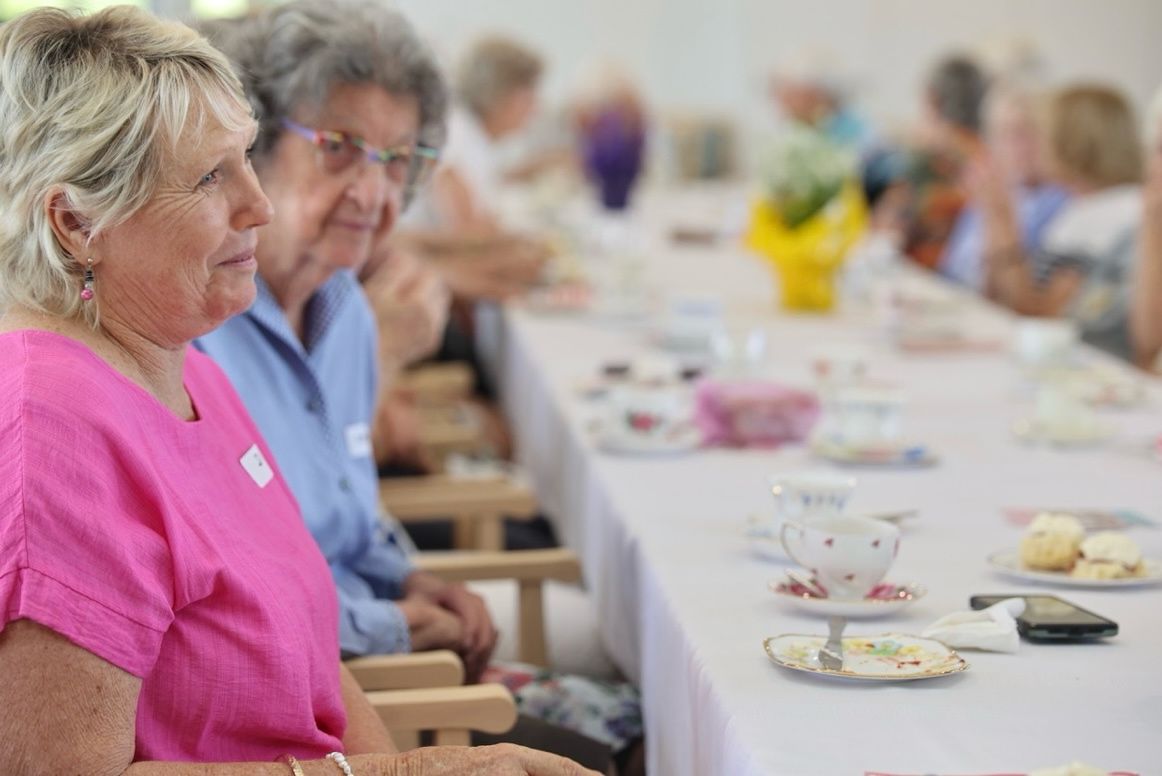
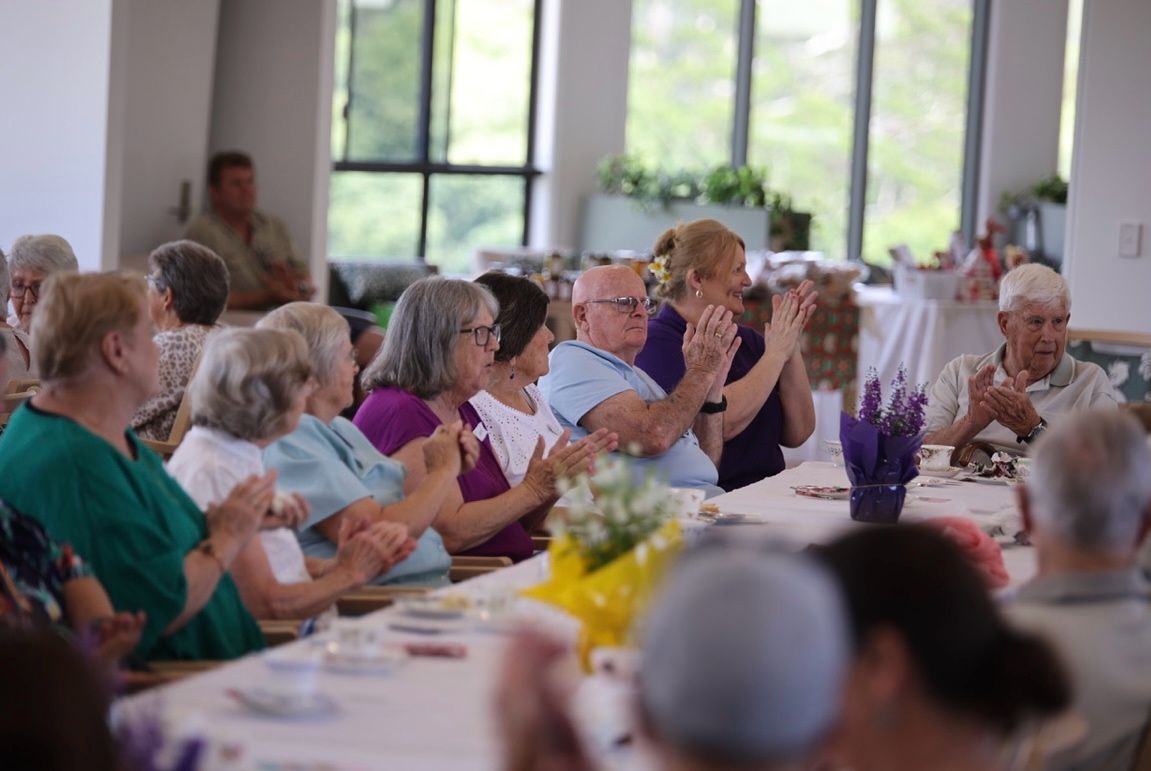
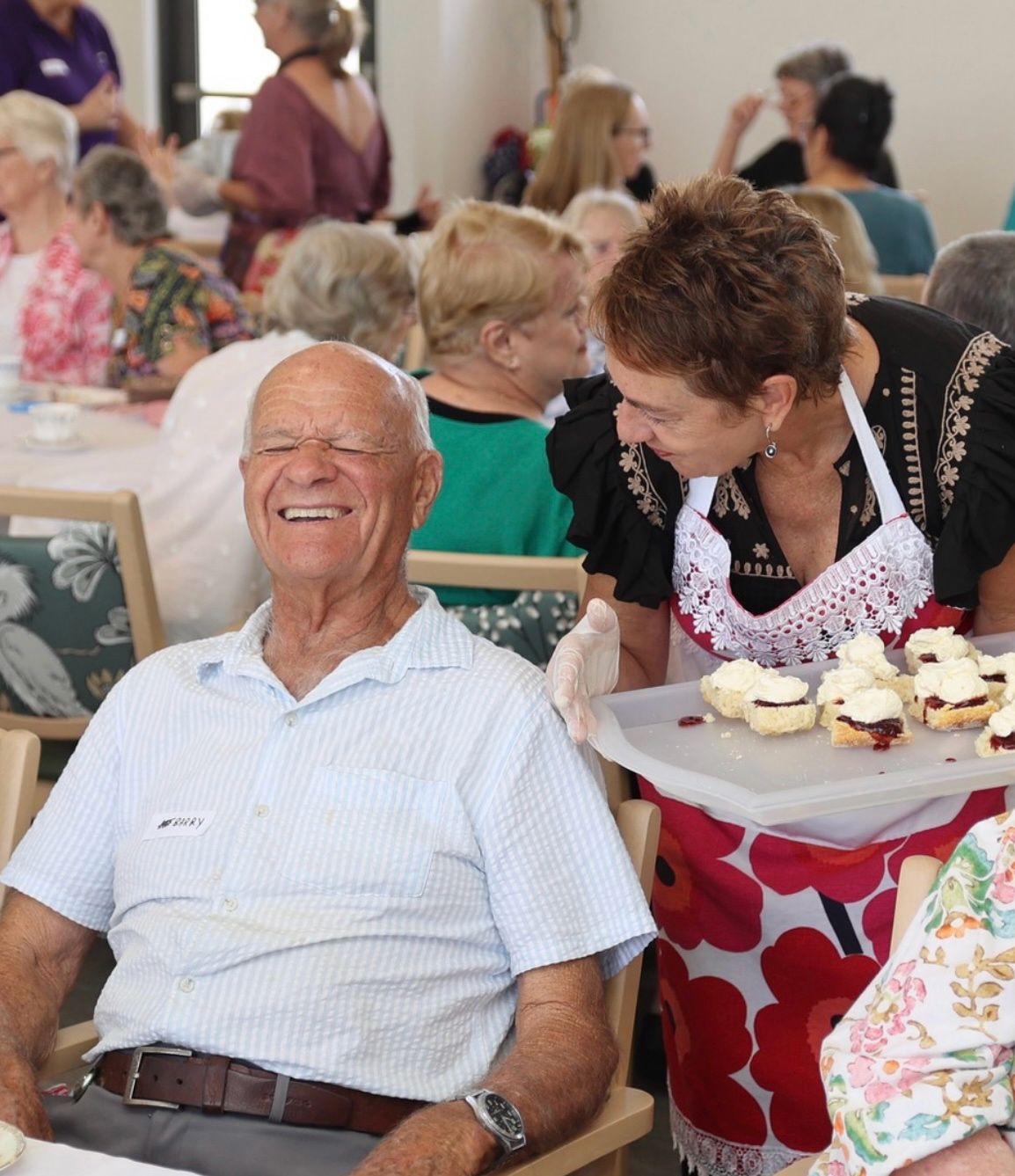
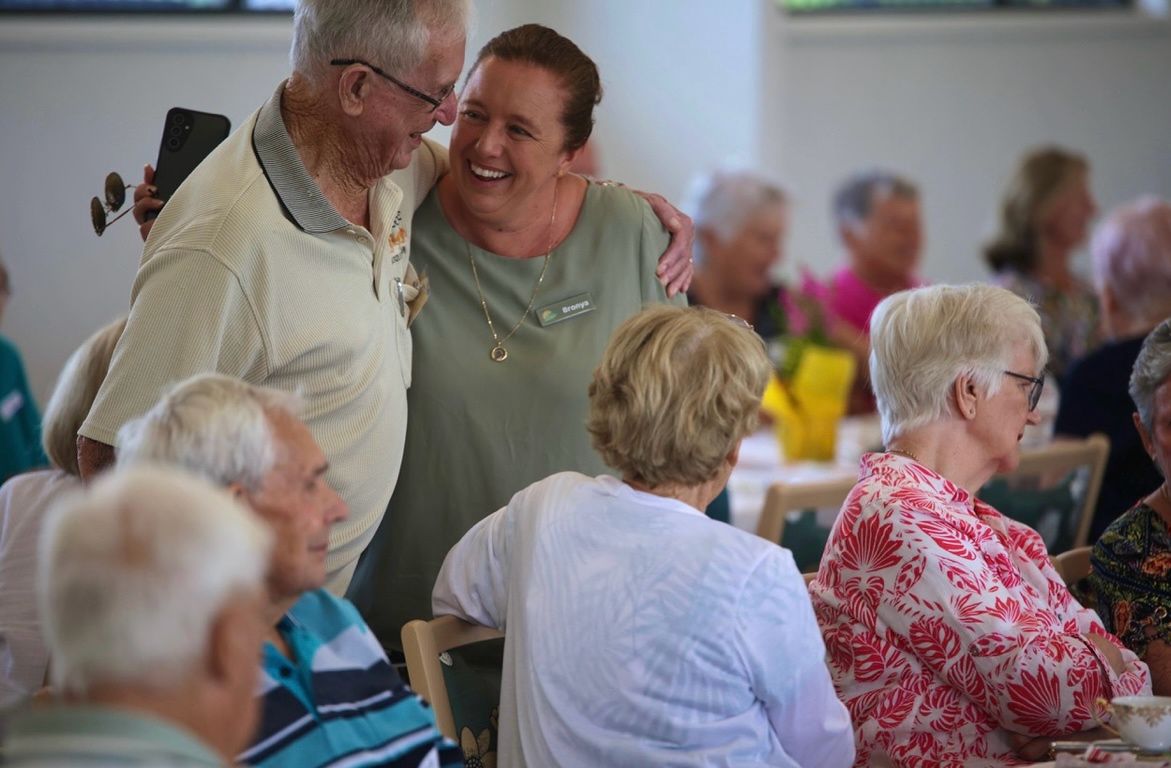
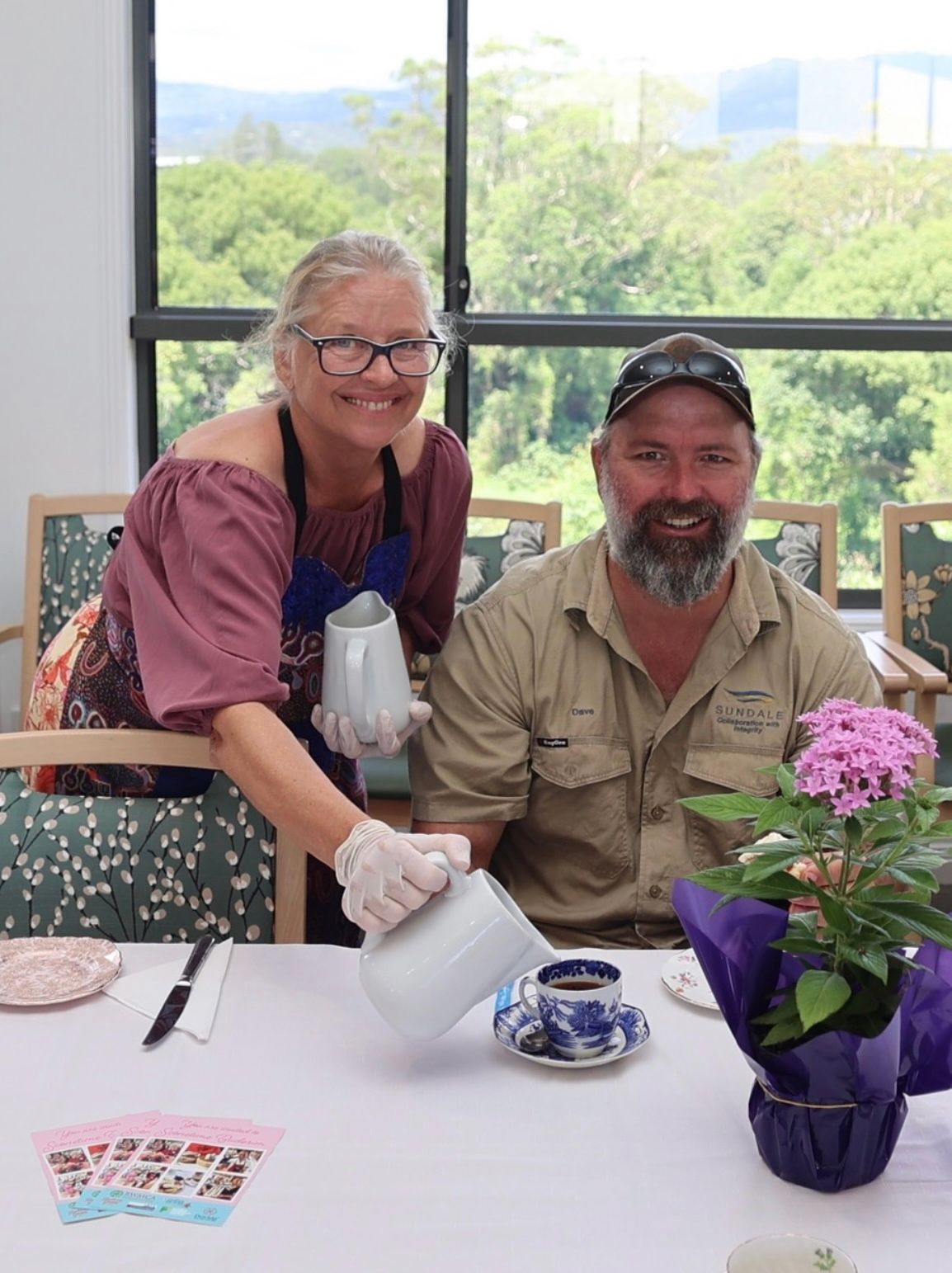
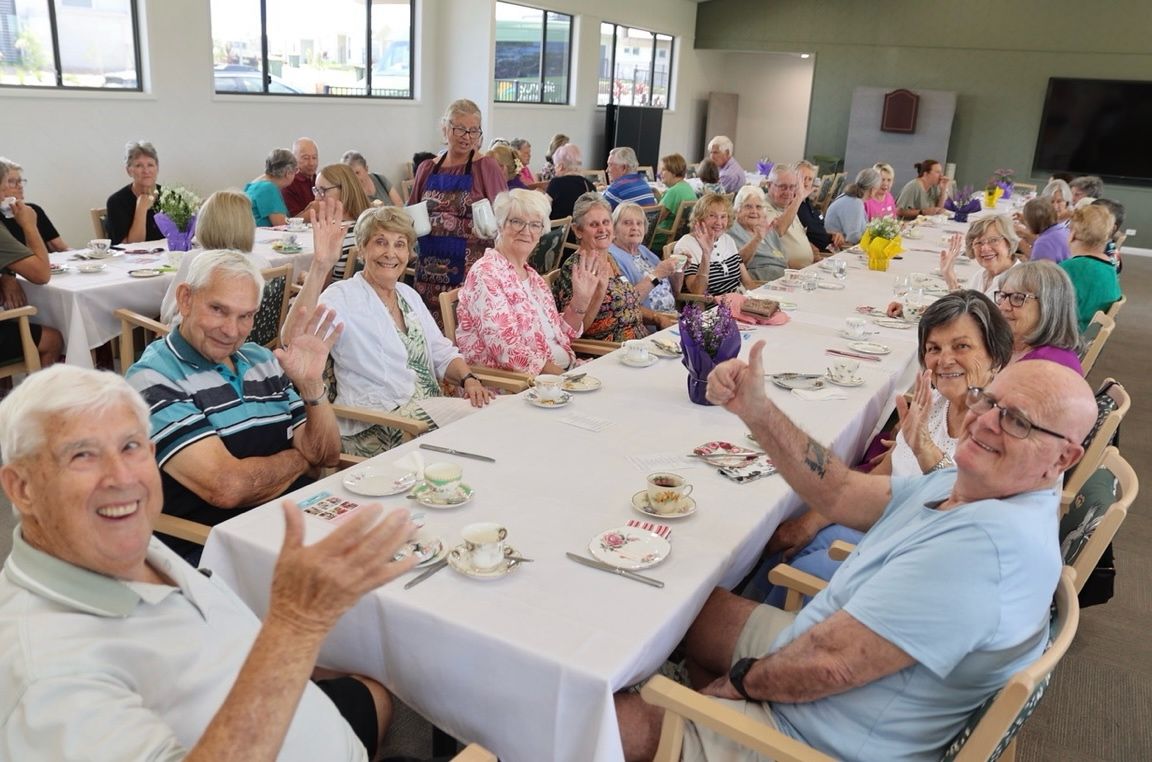
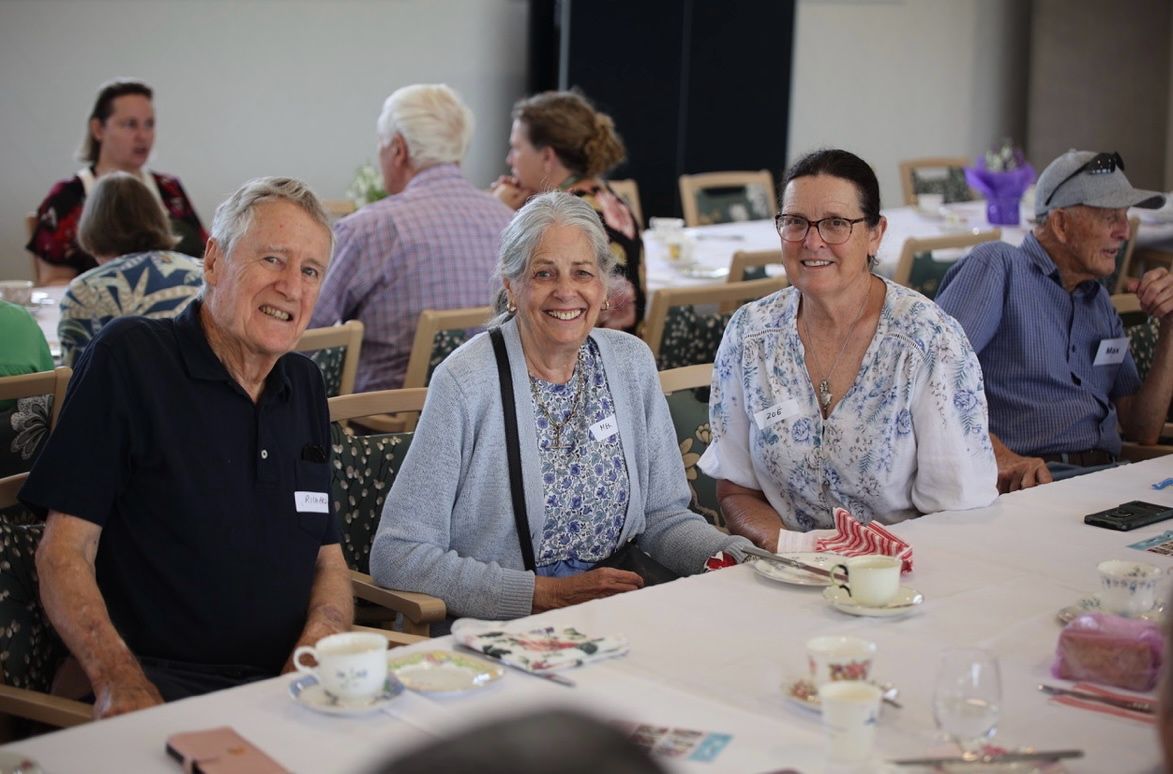
From shared morning teas and gardening clubs to group fitness sessions and music afternoons, residents naturally form friendships with neighbours who understand their stage of life. These small, consistent interactions matter. They give people a reason to step outside, share a laugh, and feel part of something bigger than themselves.
One of the most overlooked emotional challenges of retirement is the loss of structure. After decades of work, days without rhythm can feel surprisingly disorienting. Well-run retirement living communities help residents rebuild a sense of purpose through volunteering opportunities, hobby groups, lifelong learning programs, and resident-led committees.
Whether it’s tending a vegetable patch, mentoring a younger neighbour, or helping plan the next community event, these activities give people something to look forward to. In our experience, residents who take part in even one or two regular activities a week tend to settle into community life more confidently and report feeling brighter overall.
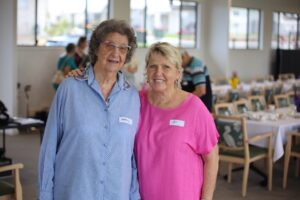
Anxiety in older age is often tied to practical worries. What happens if I have a fall? Who will help if I’m unwell at night? Quality retirement communities ease these concerns with features like 24/7 emergency call systems, on-site staff, and clear pathways to in-home or residential care if needs change over time.
When people feel safe, their nervous system relaxes. Sleep improves. Worry softens. Family members also gain peace of mind, which often strengthens relationships rather than straining them with constant concern.
Location plays a bigger role in mental health than many people realise. The retirement communities Sunshine Coast residents benefit hugely from the region’s mild climate, coastal walks, and lush hinterland surrounds. Daily exposure to sunshine, greenery, and gentle movement supports a calmer mood and better sleep, two things our care teams notice closely in residents over time.
Most retirement living communities now include landscaped gardens, walking paths, and recreation programs that make movement easy and enjoyable. If you’re weighing up your options across the region, taking a closer look at retirement living at Sundale gives you a clear picture of what an active, connected lifestyle looks like in practice.
Adult children often carry an emotional weight when ageing parents live alone. Constant check-ins, worry about home maintenance, and uncertainty about future care can create stress for everyone. Moving into a retirement community or Residential Aged Care shifts this dynamic. Visits become about quality time rather than chores or worry, and many of the families we work with describe a noticeable lift in everyone’s mood once that day-to-day pressure eases.
Mental health needs aren’t static. Grief, bereavement, illness, and family changes can all surface in retirement. Reputable retirement communities maintain established links with GPs, allied health professionals, and counselling services, so help is never far away. Many also host wellbeing workshops, mindfulness sessions, and grief support groups led by qualified facilitators.
This layered support means residents don’t have to face hard moments alone. There’s always a friendly face at the door, a familiar staff member to chat with, or a neighbour who has walked a similar path.
Not all retirement living communities are the same. From what we’ve observed across our communities, the places where residents thrive most are those that offer genuine community engagement, transparent fees, flexible care pathways, and a culture that respects independence. Visiting in person, joining an event, and chatting with current residents will tell you far more than any brochure.
For those drawn to the lifestyle the retirement communities Sunshine Coast region is known for, choosing a not-for-profit provider with deep local roots can offer added reassurance and continuity of care over the long term.
Emotional and mental health flourish when people feel connected, safe, and valued. The right retirement community provides all three, turning what could feel like an ending into a genuinely fulfilling new chapter.

If you’d like to see what life in a vibrant, supportive community could look like for you or a loved one, get in touch with our friendly team today to book a tour or ask any questions.
They build daily connections through shared meals, hobby groups, fitness sessions, and social events. Residents form friendships with neighbours at the same life stage, making meaningful interaction part of everyday life rather than something to chase.
Yes. Connection, routine, safety, and access to support all reduce anxiety and lift mood. Many residents report better sleep, less worry, and a renewed sense of purpose once they settle into community life.
Reputable communities offer links to GPs, allied health, and counselling services. Many also run wellbeing workshops, mindfulness sessions, and grief support groups, so residents are never left to manage difficult moments alone.
Absolutely. The mild climate, coastal walks, and hinterland scenery encourage daily movement. Most communities also offer landscaped gardens, walking paths, and recreation programs that keep residents active and engaged.



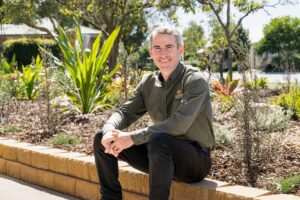
For Sundale's Maintenance and Grounds Manager Coen, Sunshine Coast gardening...

There's something wonderfully unhurried about Coolum in the early morning....
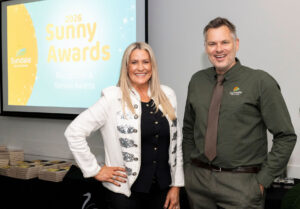
For the people who live in a Sundale community or...